
Having a complete and accurate count of Connecticut communities during the 2020 Census is not merely an ambition—it’s a necessity. The information collected will determine how federal funding is allocated to Connecticut and will also inform federal and state-level redistricting. In fact, the 2010 Census resulted in nearly $11 billion flowing annually into Connecticut for essential programs and services like schools, transportation, emergency preparedness, and health interventions.
The good news: Connecticut is already well underway with planning for the 2020 Census. As Lieutenant Governor Susan Bysiewicz shared at our conference, Connecticut has established 110 Complete Count Committees across the state, including committees for both tribal nations. These committees are charged with raising awareness about the 2020 Census and ensuring that everyone living in the state is counted. This year alone, over 1500 events have been held across the state talking about the importance of a complete count. Additionally, the state and philanthropic organizations have dedicated $1,000,000 to the 2020 Census.
The state and philanthropy alone cannot ensure a complete count—collaborations and community participation are essential. We need trusted community leaders and organizations to spread the word: the Census is coming this spring, and it is safe, easy, and important!
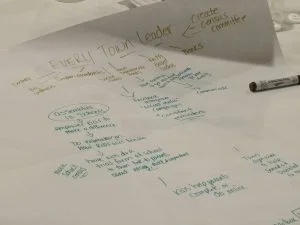
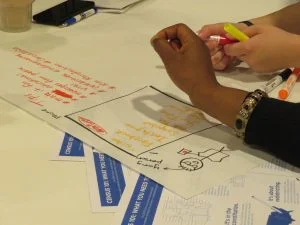
During the CTData Collaborative Conference 2019: Counting What Matters, Yvette Rose from the U.S. Census Bureau facilitated a workshop to guide attendees in tailoring outreach for specific communities. Key themes emerged from the conversations:
Engage Trusted Community Leaders
-
Partner with human service organizations and workers to spread the word of the 2020 Census, similar to efforts for voter registration.
-
Recruit local coaches, teachers, and other trusted community leaders to speak with families about the 2020 Census.
Develop Engaging and Accessible Materials
-
Collaborate with social media influencers to share accurate and timely information about the 2020 Census.
-
Adopt messaging to help communities imagine what would happen if they don’t fill out the census, focusing on critical services that received funding based on census data (i.e., social services, transportation, etc.).
-
Disseminate local messaging in multiple languages.
-
Create social media content such as Facebook photo covers, Snapchat filters, and “I count” stickers.
-
Develop a 2020 Census app to help users understand why their participation matters and that the census is safe, easy, important.
Make the Census Fun
-
Convene Census 2020 parties to highlight that the “census is a celebration, not an obligation.” These events should be convened by trusted community partners at centralized and familiar locations such as religious institutions, community centers, and libraries, and offer opportunities for community members to complete their census forms. Attendees noted the importance of having technology and childcare available at the event.
-
Hold 2020 Census events in schools where students can complete census-like forms and learn more about the survey so that students understand the importance of the decennial count. The U.S. Census Bureau’s Statistics in Schools is a great starting place for teaching students about the census.
So What Can You Do to Help? In Addition to The Ideas Above, You Can:
-
Work with local funders to allocate funding to communities for local outreach efforts and events.
-
Start and/or engage with your local 2020 Census Complete Count Committee.
-
Familiarize yourself with hard to count areas in the state through the Response Outreach Area Mapper (ROAM) tool and dedicate more outreach efforts in those communities.
We at the CTData Collaborative are here to help disseminate accurate information and to answer your Census 2020 questions. Reach out to us for assistance and let us know what your community is doing to ensure a complete count.