

CTData is pleased to announce that the organization is one of 30 grantees nationwide to be awarded the Local Data for Equitable Communities grant, an initiative funded by the Robert Wood Johnson Foundation in collaboration with the Urban Institute to support local communities in using data to improve local conditions and help residents live their healthiest lives.
Each grantee is united by a shared belief that local data can be a powerful tool for self-determination, community action, and improving the quality of life. CTData was chosen following a highly competitive selection process that drew applications from across the country.
This grant allows CTData to provide data and insights to address the barriers Hartford families face in accessing quality sports and recreation amenities for their families. During the past 20 years, youth and families in Hartford have experienced a disinvestment in local amenities such as fewer recreation centers, shorter pool hours, and fewer affordable program options, despite the clear need for physical and social development.
“We are proud to partner with the City of Hartford’s Sports and Recreation Department and Active City, a Hartford youth sport capacity building organization that supports a coalition of youth sports providers, to support expanded sports and recreation opportunities for Hartford youth,” said Michelle Riordan-Nold, Executive Director of CTData.
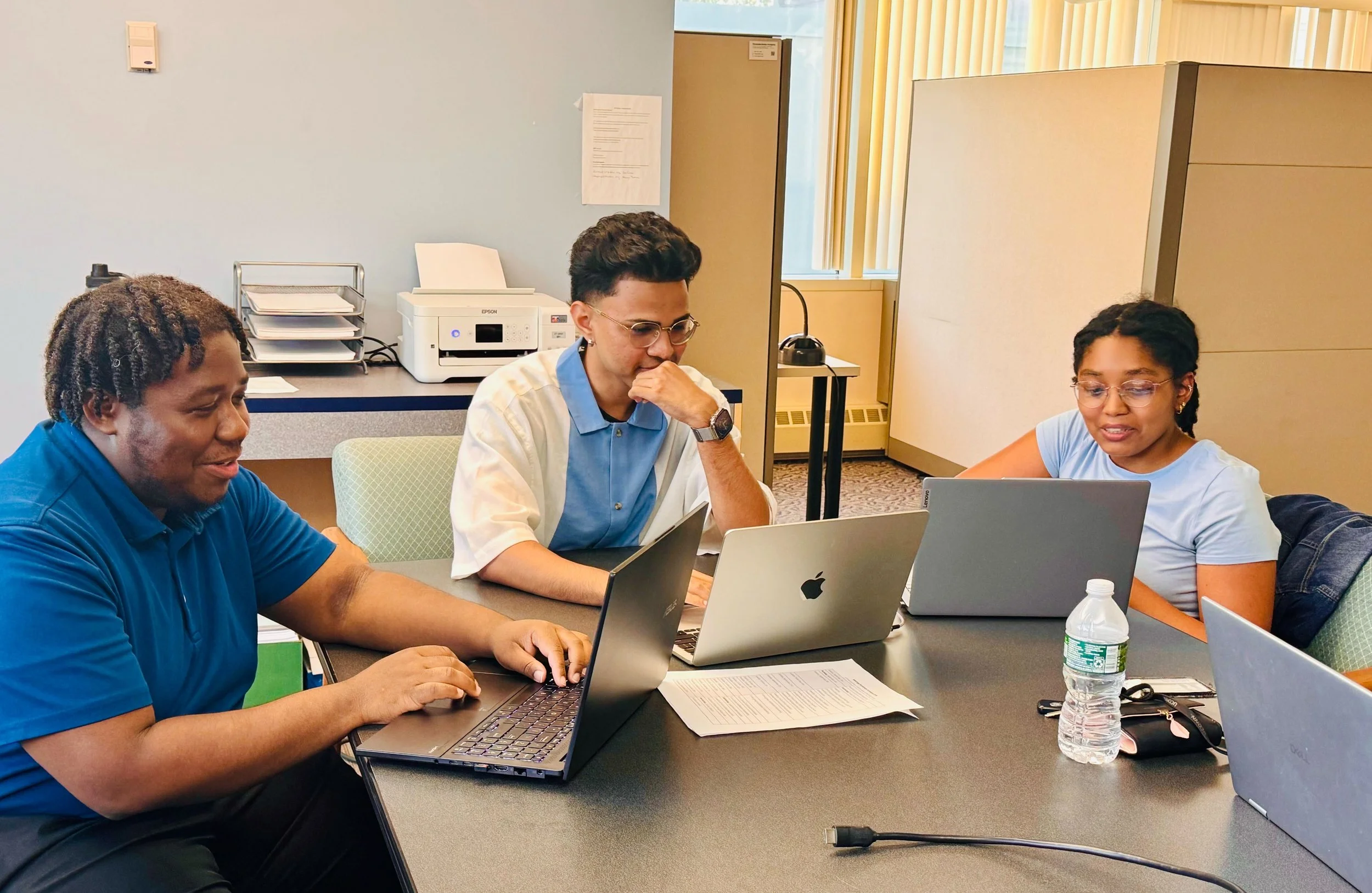
The grant offers CTData the ability to extend its work to elevate resident voices to address policy challenges using data. CTData will use the funding to partner with six alumni of its Hartford Youth Data Fellowship program to pay them as research interns, joining CTData as co-researchers for the project. The youth co-researchers—John D’Souza, Nashali Johnson, Samra Mujcinovic, Alex Roberts, Jahlani Ustanny, and Tatiana Watson— will receive additional training and partner with CTData staff to facilitate focus groups with Hartford youth and families and develop and administer a survey to gather community input on their needs and barriers to participation such as financial or transportation constraints.
CTData staff will partner with staff from the City of Hartford to map access to sports and recreation facilities. The team will synthesize initial findings and present them to city officials, community organizations, and residents in two data walks. The goal of the project is to generate and increase momentum from the local public and private sectors to increase investments in youth and families in Hartford.
Brian Gallagher, Director, City of Hartford Department of Sports & Recreation said, “The City has made real investments to establish our Sports & Recreation Department because we know how important these opportunities are for Hartford youth and families. Partnering with CTData and Active City will help provide the evidence we need to see where the gaps are to inform how we utilize our current resources and support our efforts to continue advocating for more resources. This research will help ensure we’re putting investments where they matter most — expanding access and impact for our community.”
“Sports and recreation are not just about play — they are proven pathways to better physical health, stronger mental well-being, and deeper community connection. Hartford youth and families deserve those benefits, especially as too many of us face barriers to safe and affordable opportunities,” said Melissa Yennie St. Juste, Executive Director, Active City. “The fact that the Robert Wood Johnson Foundation, a leader in advancing health equity, is funding this research underscores that access to quality sports and recreation is essential to building healthy lives for Hartford youth and families,”
The $50,000 grant from the Robert Wood Johnson Foundation will fund CTData to implement this research, provide paid internships to local Hartford youth, and receive peer learning opportunities from other programs in the cohort. The grant runs from July 2025-April 2026.
The 30 Local Data for Equitable Communities grant program grantees are located in 19 states, the District of Columbia, and Puerto Rico. CTData is the only funded program in Connecticut. CTData was previously awarded three grants from the Robert Wood Johnson Foundation. Information about the selected projects, as well as updates related to the program, are available at https://localdataforequitablecommunities.org/
The goals of the Robert Wood Johnson Foundation’s Local Data for Equitable Communities grant program are to:
-
Inform public policy and improve the physical, social, and economic conditions of places;
-
Build local capacity to use data for action: A community with data capacity is one where people can access and use data to better understand and improve outcomes where they live;
-
Strengthen the use of equitable data practices: Equity should be a leading consideration in how data are collected and, ultimately, in who gets to interpret, disseminate, and leverage data to take action; and
-
Document successful practices for more communities to learn from and adapt.
The grant program funds organizations across the country to address immediate local needs and conditions, informed by data relevant to project questions that are locally determined.
About the Robert Wood Johnson Foundation. The Robert Wood Johnson Foundation (RWJF) is a leading national philanthropy dedicated to taking bold leaps to transform health in our lifetime. To get there, we must work to dismantle structural racism and other barriers to health. Through funding, convening, advocacy, and evidence-building, we work side-by-side with communities, practitioners, and institutions to achieve health equity faster and pave the way, together, to a future where health is no longer a privilege, but a right.
About the Urban Institute. The Urban Institute is a nonprofit research organization founded on one simple idea: To improve lives and strengthen communities, we need practices and policies that work. For more than 50 years, that has been our charge. By equipping changemakers with evidence and solutions, together we can create a future where every person and community has the opportunity and power to thrive.
For More Information
Hartford Youth Data Fellows create community-based data projects through a paid fellowship with the Hartford Data Collaborative, a project of CTData (click here to learn more). To read more about their work, click here. To review more Hartford data projects by CTData, click here. You can keep up with us by subscribing to the CTData newsletter and following us on Instagram, Facebook, and LinkedIn.